

Courses
Investigative Training Courses
Explore expert-led online courses designed for professionals who need practical, defensible skills in investigation, documentation, analysis, reporting, and testimony.
Featured Launch Course
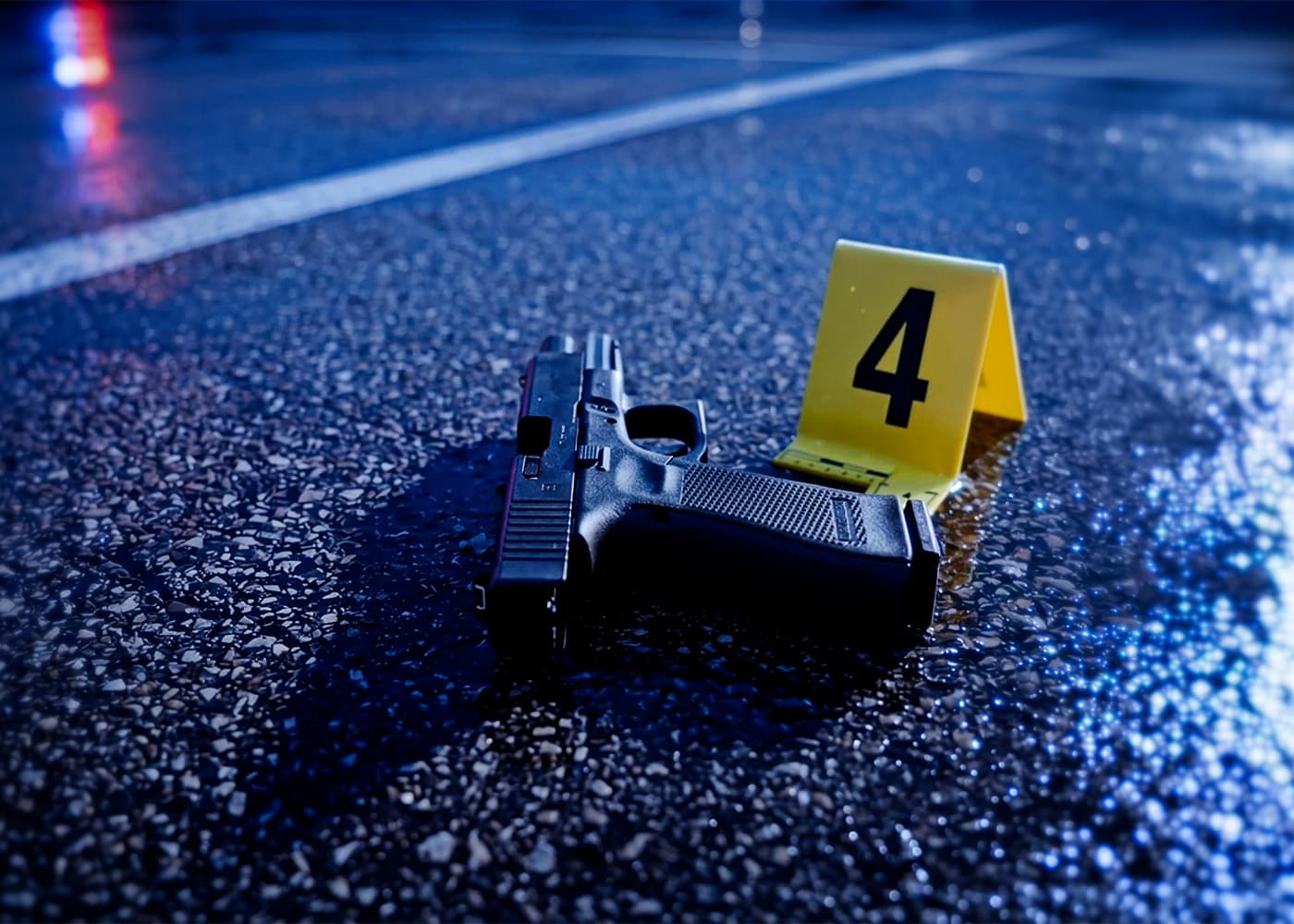
Shooting Incident Analysis and Reconstruction
An expert-led online course covering shooting scene documentation, firearm-related evidence, bullet defect analysis, GSR, glass fracture analysis, the human body as a target, and objective scene reconstruction.
Taught by experienced forensic instructors with real-world casework and courtroom backgrounds
Planned course roadmap
Additional Courses in Development
Crime Scene Academy is being built as a growing library of practical investigative training courses taught by experienced investigators, forensic specialists, and nationally recognized instructors. The courses below represent additional training areas currently planned or in development as the academy expands.
These courses are not yet open for enrollment. Availability will be announced as each program is completed.
- In development
Crime Scene Photography
Learn to produce clear, complete, and defensible forensic photographs using the camera you already have access to. From understanding camera controls and menu settings to capturing overall, mid-range, and close-up scene documentation, this course helps investigators get reliable results without requiring new or specialized equipment.
- In development
Latent Print Photography
A focused course on photographing developed latent prints with the clarity, scale, lighting, camera control, and technical consistency required for comparison, documentation, and courtroom presentation.
- In development
First Responding Officer on the Scene
A practical, scenario-based course for first responding officers covering the critical first actions at different types of scenes, including burglary, assault, aggravated assault, sexual assault, and homicide. Students learn how priorities, scene protection, victim and witness considerations, evidence awareness, and investigative handoff can change depending on the nature of the call.
- In development
Bloodstain Pattern Analysis
Develop practical understanding of bloodstain pattern evidence, including pattern recognition, documentation, scene context, and the investigative value of bloodstain observations in reconstructing events.
- In development
Latent Print Processing Techniques
Develop practical skills for locating, developing, preserving, and documenting latent print evidence using field-tested processing methods appropriate for a variety of surfaces and scene conditions.
- In development
Crime Scene Management and Evidence Collection
Covers the organization, documentation, prioritization, and collection of evidence at crime scenes, with emphasis on maintaining scene integrity and building a reliable investigative record.
- In development
Crime Scene Safety
A practical course on recognizing and managing hazards at crime scenes, including environmental risks, biological threats, weapons-related concerns, and scene-specific safety considerations.
- In development
Tactical Interviewing and Statement Analysis
Introduces structured interviewing concepts and statement analysis techniques to help investigators evaluate information, identify inconsistencies, and develop more effective investigative follow-up.
- In development
Homicide and Major Case Management
Learn how complex homicide and major case investigations are organized, coordinated, tracked, and managed from initial response through follow-up. This course emphasizes investigative priorities, documentation, evidence management, task assignment, team communication, and the decision-making required to move serious cases forward.
- In development
Cold Case Management
Covers the review, organization, and re-evaluation of unresolved cases, including evidence reassessment, case file reconstruction, modern investigative opportunities, and strategic case prioritization.
- In development
Evidence Handling and Laboratory Submissions
A practical guide to properly packaging, documenting, preserving, and submitting evidence to forensic laboratories while reducing avoidable delays, contamination risks, and submission errors.
- In development
Fingerprint Comparison Examinations
Develop foundational and practical understanding of fingerprint comparison, including ridge detail analysis, comparison methodology, documentation, and the decision-making process behind identification work.
- In development
Palm Print Comparison Examinations
A focused course on palm print comparison, including the unique anatomy, ridge detail, orientation challenges, and examination considerations involved in palm impression evidence.
- In development
Crime Scene Supervision
Designed for supervisors and aspiring supervisors, this course covers scene leadership, personnel coordination, quality control, communication, decision-making, and oversight during complex scene responses.
- In development
Deconstructing an Expert Witness
Learn how expert testimony is built, challenged, and evaluated, with emphasis on qualifications, methodology, opinions, limitations, and the strengths or weaknesses of forensic testimony.
- In development
Selecting and Utilizing Expert Witnesses
A practical course for investigators, attorneys, and agencies on identifying, vetting, preparing, and effectively working with expert witnesses in criminal investigations and litigation.
- In development
Courtroom Testimony for the Crime Scene Investigator
Prepares CSIs to testify clearly and confidently about scene response, evidence documentation, collection methods, observations, limitations, and the professional basis for their work.
- In development
Courtroom Testimony for the First Line Officer
Helps patrol officers and first responding officers understand how to testify about initial scene observations, actions taken, scene preservation, victim/witness contact, and early investigative decisions.
Not sure which course is right for you or your agency?
Contact Crime Scene Academy for help with individual enrollment, agency training coordination, or upcoming course availability.
Agencies
Need a training plan for your agency or team?
We can help agencies plan enrollment, documentation expectations, and training access for multiple personnel.