

Analyzing Bullet Defects
ArticleDocumentation & Analysis8 min read
Jim Molinaro · April 29, 2026
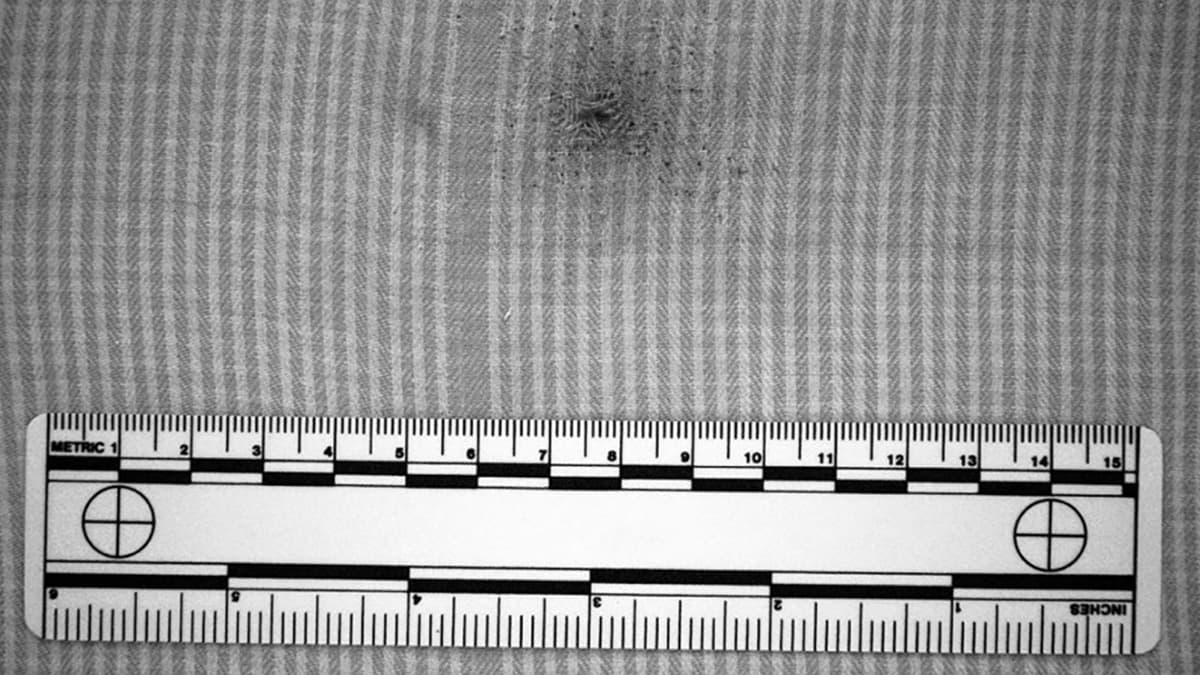
Bullet defect analysis is the study of the physical damage a bullet leaves behind when it strikes a surface. In forensic work, those defects can help investigators evaluate direction of travel, angle of impact, entry and exit characteristics, and the subsequent flight path or wound track.
What makes this discipline valuable is that bullet defects are not random damage. They are physical records of a projectile’s interaction with a surface. When interpreted carefully and in context, they can help investigators build, test, or refine a shooting reconstruction.
What a Bullet Defect Can Show
A bullet defect may appear round, oval, torn, beveled, cracked, or irregular, depending on the angle of impact and the material struck. A more direct impact often leaves a more circular defect, while a shallower impact angle may create an elongated or elliptical defect.
Investigators also look closely at edge characteristics. Clean margins, abrasion, beveling, tearing, cracking, residue, and transfer marks can all provide clues about how the bullet interacted with the surface.
Surface material matters. Drywall, wood, metal, glass, plastic, vehicle panels, and tissue can each respond differently to bullet impact. Some materials may preserve useful characteristics, while others may distort, fragment, or complicate interpretation.
Key Physical Characteristics
Important physical features of a bullet defect may include:
- Shape, especially circular versus elliptical form.
- Edge conditions, including tearing, beveling, cracking, and fragmentation.
- Directional asymmetry, especially in ricochet or deflection defects.
- Surface-specific behavior based on the material struck.
- Residue or transfer marks, such as lead, copper, bullet wipe, or other trace indicators near the impact site.
These characteristics matter because they help distinguish a true bullet defect from other kinds of damage and help explain how the projectile moved through the scene.
Why Context Matters
A bullet defect should not be interpreted in isolation. Investigators must consider the surrounding scene, the surface material, nearby defects, possible bullet paths, recovered projectiles or fragments, cartridge case locations, bloodstain patterns, and witness or involved-party statements.
Context helps prevent overstatement. A single defect may suggest a possible direction or angle, but a reliable reconstruction usually depends on multiple pieces of evidence supporting one another.
Why Training Matters
Bullet defect analysis requires more than recognizing damage. Investigators must understand how bullets interact with different materials, how impact angles affect defect shape, and how ricochets or fragmented projectiles can complicate interpretation.
Proper training helps investigators document defects accurately, avoid overstating conclusions, preserve evidence, and explain findings in a way that can withstand investigative and courtroom scrutiny.
Value in a Criminal Investigation
In a criminal investigation, bullet defect analysis can help confirm or challenge witness statements, evaluate possible shooter or victim positions, and support the sequence of shots. It can also guide investigators toward additional evidence, such as shell casings, bloodstain patterns, secondary impact sites, or projectile recovery locations.
The broader value is that it helps turn a static scene into a reconstruction. When combined with other forensic findings, bullet defect analysis helps investigators move from “a shooting happened here” to a more precise, evidence-based explanation of how it happened.
Related training
Shooting Incident Analysis and Reconstruction
For applied training on bullet defect terminology, documentation, and analysis within a broader shooting reconstruction framework, see the flagship course in the course catalog.
View Course Details