

Understanding Shooting Incident Reconstruction
ArticleShooting Reconstruction9 min read
Howard Ryan · April 22, 2026
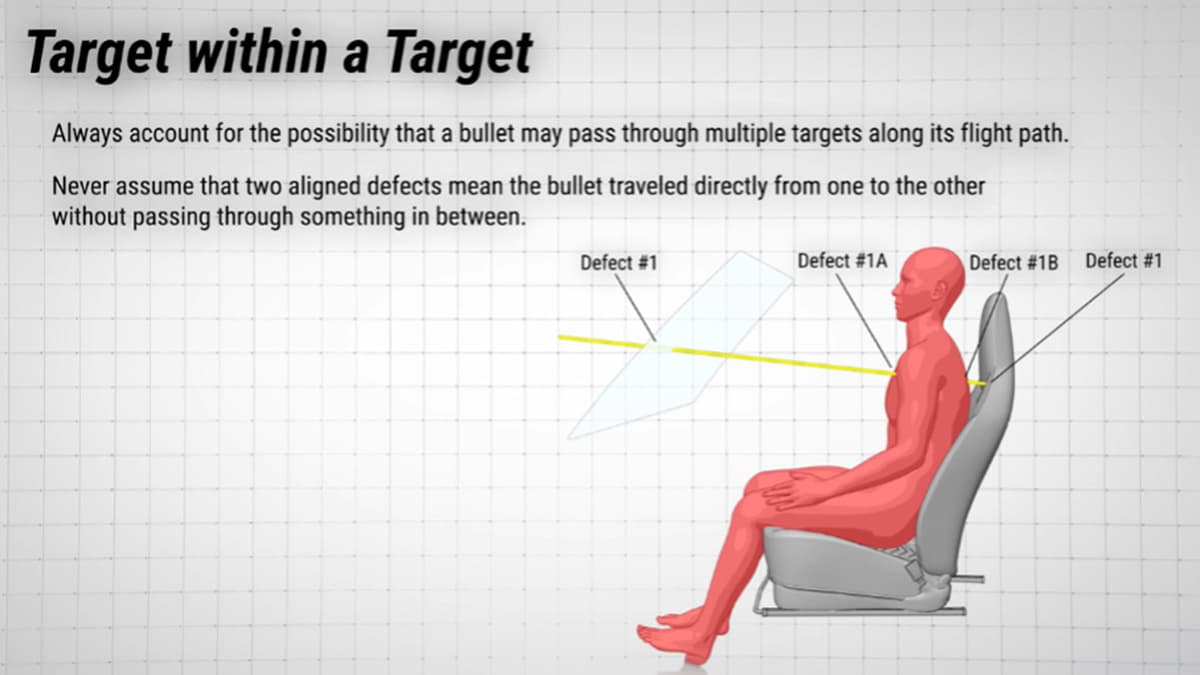
Shooting incident reconstruction is the forensic analysis of physical evidence from a firearm-related event to determine how the incident most likely happened. In simple terms, it is the process of examining available evidence such as bullet defects, bullet paths, fired cartridge cases, gunshot residue, bloodstain patterns, and scene documentation to answer critical questions about the event.
For students interested in forensic science, law enforcement, or investigative work, this field offers a practical look at how science is used to piece together the truth from evidence left behind at a scene.
At its core, shooting incident reconstruction is a science-based process of examining and interpreting physical evidence to develop the most probable explanation for a sequence of events. That process depends on careful observation, evidence-based reasoning, and objective analysis. It is not guesswork or speculation.
Reconstruction Is Not Reenactment
One important distinction is that reconstruction is not the same as reenactment.
A reenactment is a staged replay of an event. Reconstruction is an applied-science process grounded in measurable evidence.
Reconstruction asks:
- What does the physical evidence show?
- What is the best explanation when all available evidence is considered?
- Does the evidence support or contradict statements made by witnesses or involved parties?
This distinction matters because real investigative work depends on facts, not appearances. A scene may look one way at first glance, but reconstruction can reveal a very different story when the evidence is carefully analyzed.
What Reconstruction Can Help Answer
Shooting incident reconstruction often helps investigators evaluate questions such as:
- Where were the shooter and victim located?
- What trajectory and subsequent flight path did each bullet travel?
- What were the angles of impact and direction of fire?
- What was the approximate distance between muzzle and target?
- How many shots were fired?
- What sequence of events is supported by the physical evidence?
These questions are central to understanding a shooting event. In many cases, the answers can help clarify whether a shooting was accidental, intentional, defensive, or something else entirely.
Why It Matters
Shooting scenes often contain multiple layers of evidence that must be documented and interpreted together. This can include damage patterns, bloodstains, fired cartridge cases, projectile impacts, bullet defects, and witness or involved-party statements.
When analyzed properly, these details can help investigators test accounts against the physical evidence and rule in or rule out possible explanations. That is why shooting incident reconstruction is such a valuable skill in the forensic world. It helps turn scattered evidence into a coherent, evidence-based account of what likely happened.
A Simple Example
Imagine a bullet passing through a window, striking a wall, and later being recovered inside a room. By studying the bullet defect, impact angle, and trajectory, a reconstruction specialist may be able to estimate the bullet’s path and identify possible shooter positions.
That kind of analysis transforms isolated scene details into a clearer investigative picture. It is one of the reasons this discipline is so important for professionals who work firearm-related scenes.
Why Specialized Training Matters
Shooting scenes can involve overlapping layers of evidence, including bullet defects, cartridge cases, trajectories, bloodstain patterns, witness statements, and scene documentation. Specialized training helps investigators understand how these details relate to one another, recognize when conclusions are supported by the evidence, and communicate findings clearly in reports and testimony.
Practical Value for Investigators
When investigators understand shooting incident reconstruction, they are better prepared to document scenes, evaluate possible shooter and victim positions, assess bullet paths, and explain what the physical evidence supports.
The result is stronger casework, clearer reporting, and more defensible conclusions.
Related training
Shooting Incident Analysis and Reconstruction
For structured training on documenting shooting scenes, interpreting firearm-related evidence, and developing objective reconstruction findings, see the flagship course in the course catalog.
View Course Details